The Enduring Success of the Youth Employment Partnership
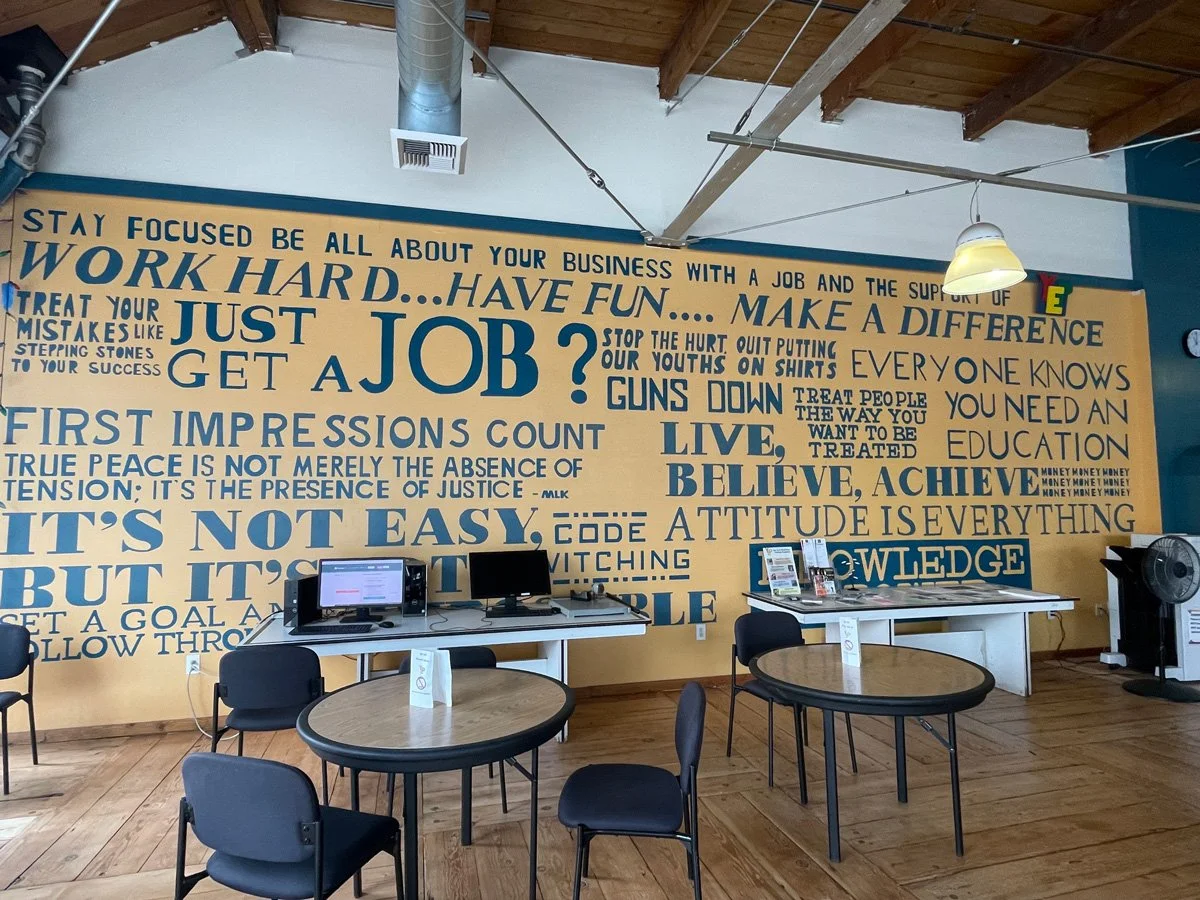
One of our favorite moments of 2025 happened on our way to the Oakland airport after the YTFG Fall Meeting. Before catching our flight, we made a quick stop at Youth Employment Partnership (YEP), which is located inside a converted warehouse space in East Oakland.
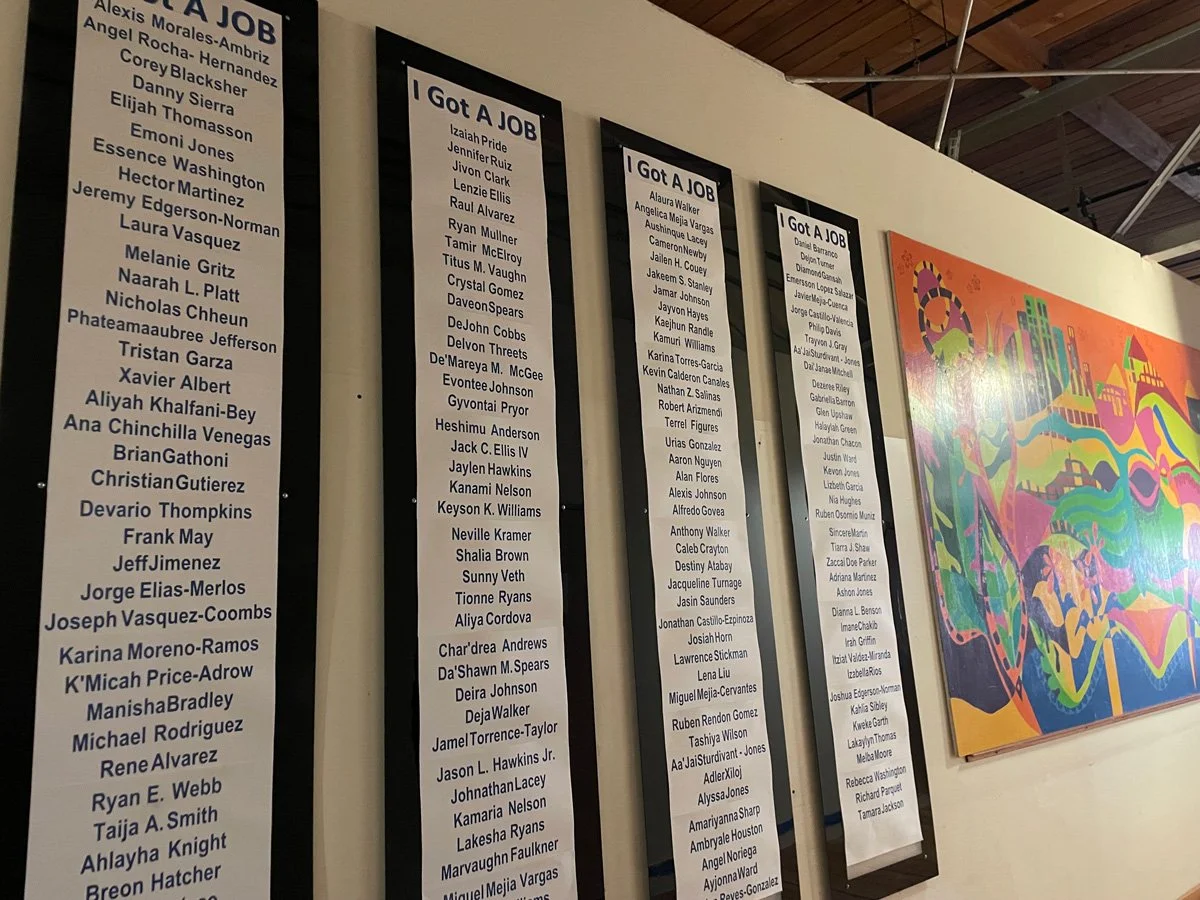
There we were greeted by YEP’s longtime executive director, Michele Clark along with two members of her executive team, Gaylon Parsons (development) and Dwayne Jones (housing). Our tour started in the lobby which, in itself, tells the story of the organization and the impact it has had on Oakland’s young people for over 50 years.
The lobby is a beautifully renovated space restored by YEP youth participants. The teens used salvaged lumber from a nearby port slated for demolition. The entire back wall is a mural painted with quotes ranging from the inspirational (True peace is not merely the absence of tension; it’s the presence of justice), to the indignant (Just get a job?), to real talk (Stop the hurt. Quit putting our youths on shirts. Guns down.)
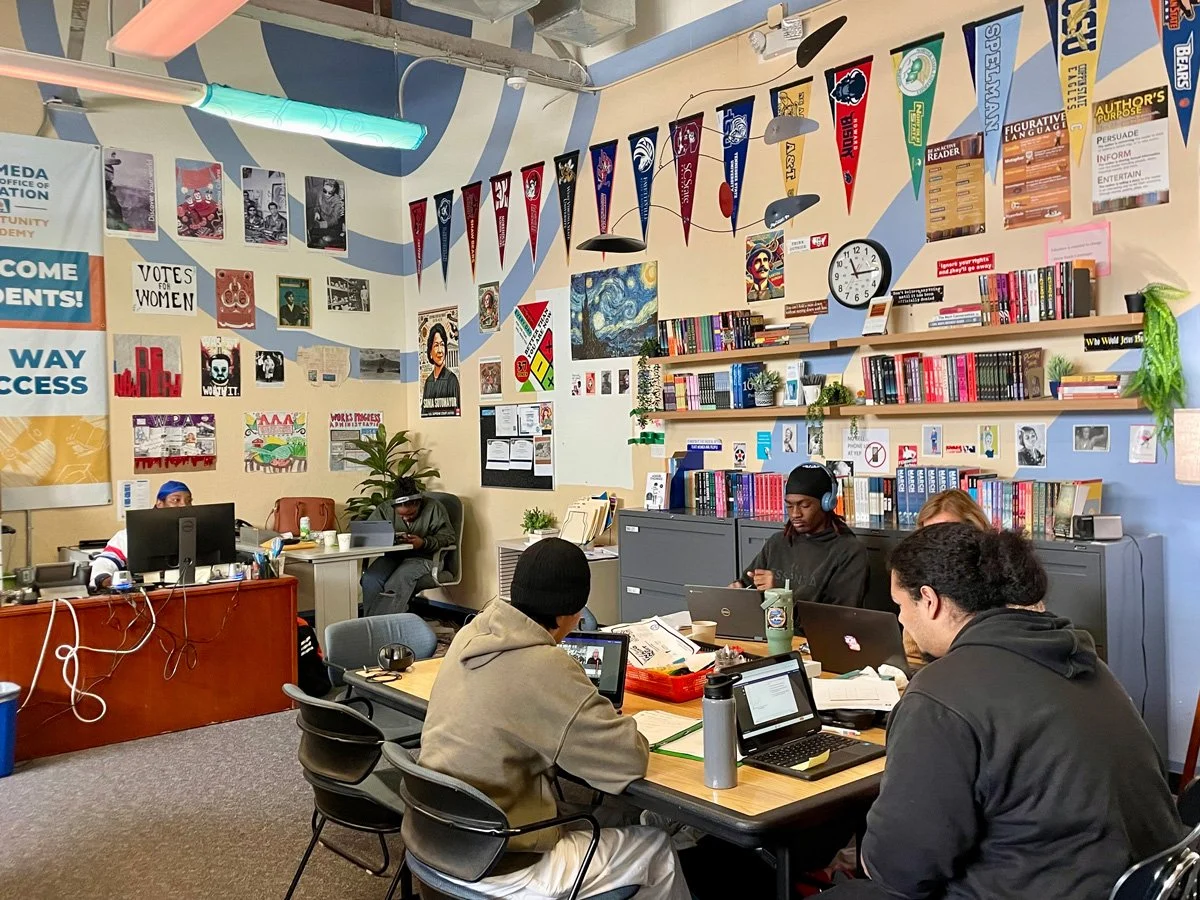
YEP started in the 1970’s as a youth summer jobs program, eventually expanding to respond to the complex needs of the young people it served. Today YEP has its flagship workforce development programming along with high school credit recovery classes, on-site emergency and transition housing, case management services, life skills and job training, and paid work experiences.
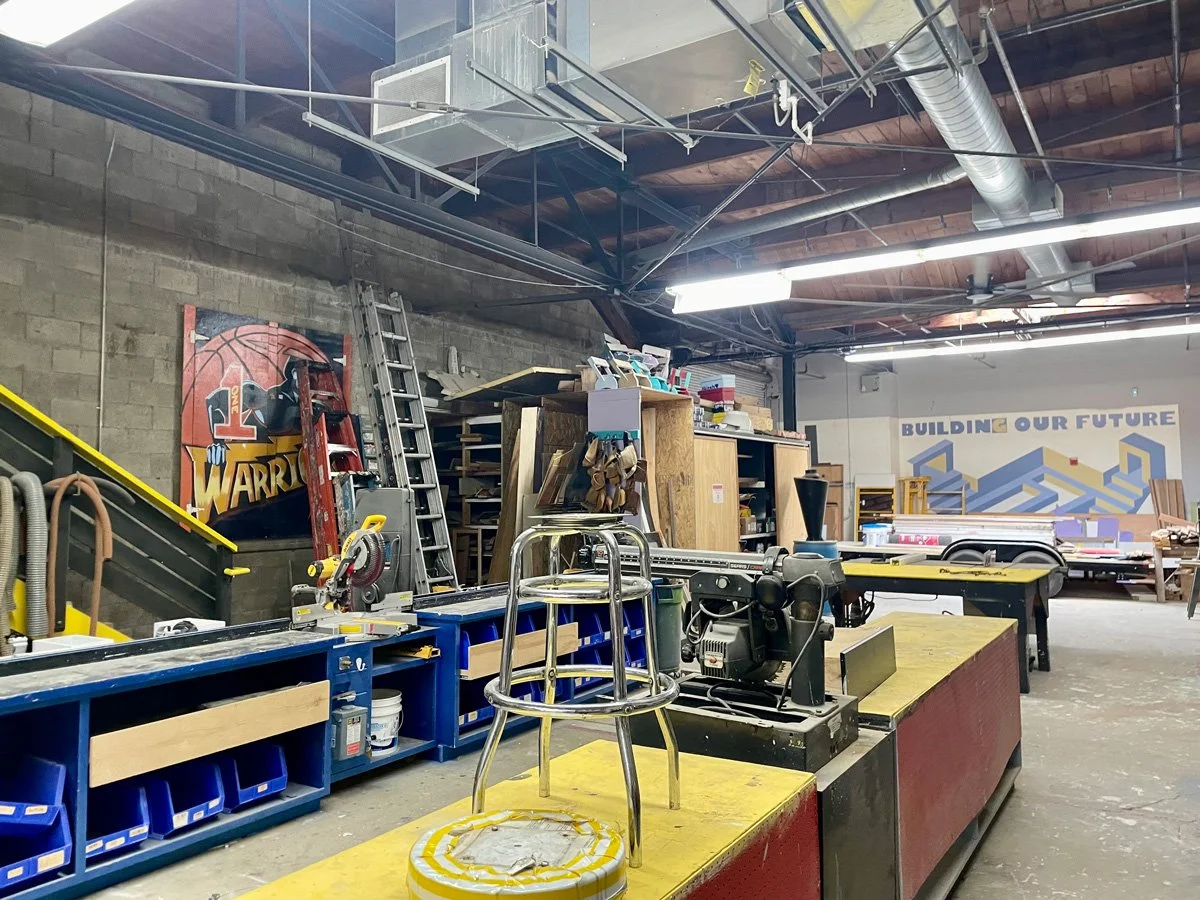
The motivational structure of their program is a proven one: when participants go to school for a half day, they are allowed to work (and earn money) for a half day. If they attend school and job training, they can qualify for on-site housing. Their belief around dignified work is compelling: when young people build confidence through work, they gain confidence and competence to move through other hard things.
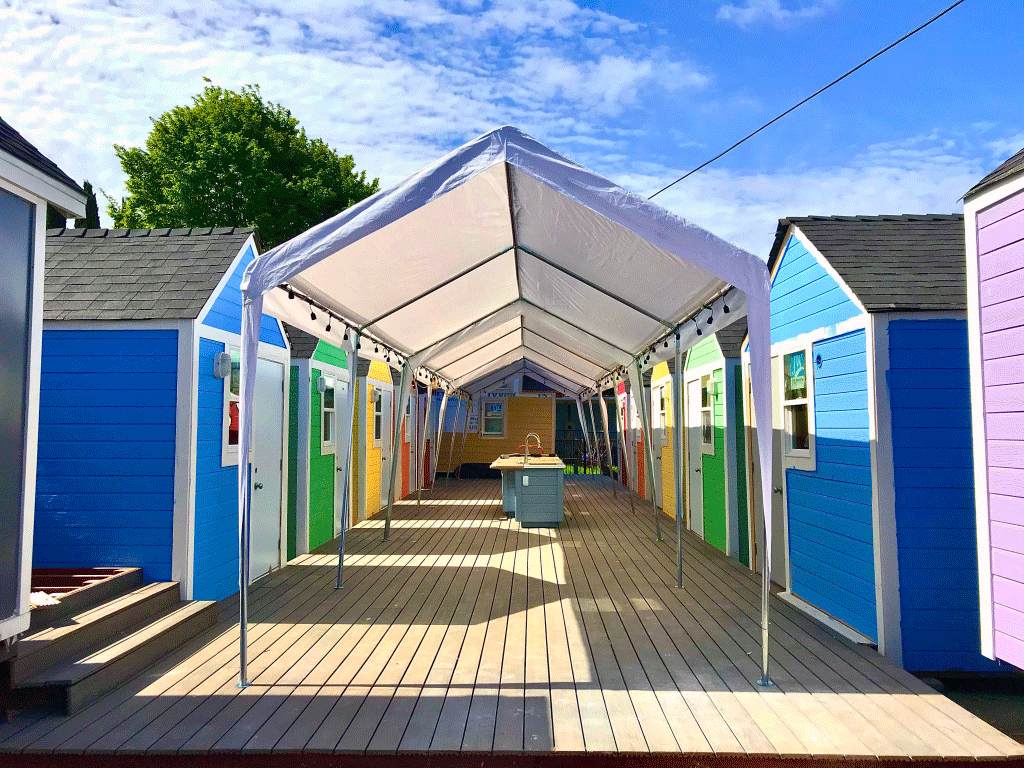
All YEP programming supports young people’s economic well-being, but we were struck by the innovative housing options that have become key to YEP’s success. Several years ago, YEP program participants–some from rival gangs–worked together to build twelve tiny homes that provide emergency housing to those who need it. These tiny homes offer the stability and support young people need in crisis, with the option to transition to more independent, dorm-style housing across the street, when they’re ready. Touring these spaces, we could see the transformational and dignified refuge these tiny homes and dorms have become.
As our field and young people endure these challenging times, YEP stands out as a bright spot for how to serve youth, even as conditions change. YEP programming has withstood different political administrations and federal agendas–from welfare-to-work to MAGA. Their organization operates by the same lesson they teach kids before a build or other construction project – when things get pulled apart, we have a way to put it back together, again.