


Understanding the Trump Accounts
The recently enacted federal budget reconciliation law established a new children’s savings initiative known as the “Trump Account,” creating federally supported investment accounts for eligible children. The law also includes enhanced accounts and additional contributions for certain children who have experienced foster care, reflecting a growing recognition of the importance of assets during the transition to adulthood.
On Tuesday, July 21st from 2:00-3:00 pm ET we had a timely discussion of what this new opportunity could mean for young people and examined key implementation questions, including eligibility, administration, and access.
Todd Lloyd of the Annie E. Casey Foundation moderated a conversation with Dr. William "Willie" Elliott III, Professor of Social Work at the University of Michigan and founding director of the Center on Assets, Education, and Inclusion (AEDI); Ray Boshara, Senior Policy Advisor at both WashU's Center for Social Development and the Aspen Institute Financial Security Program and a nationally recognized expert on asset building and financial security; and Beadsie Woo, Director of Family and Youth Financial Stability at The Annie E. Casey Foundation.
Speakers explored the opportunities and challenges these accounts present for advancing economic mobility and long-term financial security, as well as the role philanthropy can play in supporting equitable implementation, complementary investments, and policy innovation.
Fund IRL: Turning Social Media Accountability into Youth Opportunity
Across the country, lawsuits against social media companies are advancing, raising the possibility of significant settlement funds intended to address harms experienced by young people. How those resources are ultimately invested will shape whether they create meaningful opportunities for youth or are absorbed into broader public budgets.
Join YTFG's Policy Action Table for a conversation with leaders from Fund IRL, a national coalition working to ensure that any future social media litigation payouts are directed toward programs and services that support youth well-being and healthy development. Coalition leaders will share their vision for investing in the kinds of "in real life" opportunities that help young people thrive—including mentoring, afterschool and summer programs, mental health supports, youth development initiatives, and other experiences that foster connection, belonging, and resilience.
Learn more about the emerging policy landscape, the coalition's advocacy strategy, and the opportunities for philanthropy to help shape this potentially once-in-a-generation funding opportunity. The discussion will also explore what these potential investments could mean for transition-age youth and how our network can support efforts to ensure resources reach the young people and communities most affected.

YTFG 2026 Spring Meeting - Philadelphia

Supporting the Well-Being of Youth and Young Adults In Challenging Times
YTFG’s Spring meeting focused on the question: how best can we support the well-being of young people given the tumultuous climate in which we're operating. Our meeting was chock full of opportunities to strategize, learn, connect, and refuel!
Plenary Sessions
We were excited to lift up and learn from incredible leaders in Philadelphia to support this conversation, notably:
Visionary leaders working to redefine "community safety" including David Irizarry, a Stoneleigh Fellow working with the Philadelphia Police Department to reduce gang violence and Sarah Katz, a Stoneleigh Fellow working to reduce family separation and child welfare involvement based on "safety" findings.
On the heels of a recent report listing Philadelphia as one of the poorest large cities, city leaders were working on an ambitious regional growth strategy, including a focus on economic mobility for youth and young adults. We heard from Cynthia Figueroa, the President and CEO of JEVS Human Services, Dan Rhoten from Hope Works, and Jacqueline Flynn from HopePHL.
Folks leading power building efforts focused on leadership development, organizing, and advocacy. We were thrilled to highlight the work of YEAH Philly, Philly Voices for Change, and Care Not Control.
Finally, we lifted up local work in innovative narrative change strategies, particularly of organizations who are investing in and controlling the means of narrative production.
System-Specific Break Outs
In addition to our plenary conversations on cross-systems issues, we also built in time for work group conversations to go deep on system-specific challenges. The Youth Justice, Foster Care and Economic Well-Being Work Groups broke down critical issues and connected with and learned from local leaders working on the front lines of transformation.
Tuesday, April 14
Opening Session
Tonyel Edwards, YTFG Co-Chair
State of the City Report
Maridarlyn Gonzalez, Officer and Jun Ho Phue, Senior Associate, The Pew Charitable Trusts
What Young People and the Organizations that Serve Need to Thrive
Sean Vereen, Executive Director, Heights
Reimagining Community Safety: Centering Youth and Family Well-Being
What does true community safety look like when it is defined by young people and families themselves? This panel brought together leaders from youth- and family-serving systems who are advancing innovative approaches that move beyond traditional, punitive models toward strategies rooted in healing and opportunity.
Moderator: Lyman Legters, Casey Family Programs
David Irizarry, Stoneleigh Fellow, Director of Gang Reduction and Youth Development, Philadelphia Police Department
Sarah Katz, Stoneleigh Fellow, Clinical Professor of Law and Head of the Family Law Litigation Clinic, Temple University
Anne Marie Ambrose, Assistant District Attorney/Special Advisor, Youth Justice Division, Philadelphia District Attorney’s Office
Economic Mobility: Building a City Where Young People Grow and Thrive
A recent report ranked Philadelphia as the lowest of the 50 largest cities in economic mobility. In response, city leaders have created a regional strategy, prioritizing workforce, economic development and housing initiatives. This panel included insights from local leaders working to support the economic well-being and mobility of young people in the city.
Moderator: Jeff Poirier, Annie E. Casey Foundation
Marion Campbell, Co-Founder and Executive Director, Eddie’s House
Cynthia Figueroa, President and CEO of JEVS Human Services
Dan Rhoton, Executive Director, Hope Works
Wednesday, April 15:
Power Building: Leadership Development, Organizing and Advocacy
Lasting change doesn’t happen by accident—it’s built through intentional leadership, strategic organizing, and sustained advocacy. This panel explored how leaders in Philadelphia are cultivate powering to transform systems, influence policy, and advance equity.
Moderator: Mishi Faruqee, Andrus Family Fund
Kendra Van de Water, Co-Founder and Co-CEO, Youth Empowerment For Advancement Hangout (YEAH) Philly
April Lee, Co-Founder, Philly Voice for Change
Autumn Talley, Coalition Director, Care, Not Control
Building Narrative Infrastructure and Owning the Means of Narrative Production
Narratives shape policy, culture, and power. But, who creates and controls the story—and the platforms that amplify it—matters just as much as the message itself. This panel explored the range of strategies for building critical narrative infrastructure and delve deeper into the strategy of owning narrative production tools, including independent media platforms for storytelling.
Moderator: Molly de Aguiar, ED of the People's Media Fund
Michaela Pommells, Executive Director, Youth First Justice Collaborative
Brit Christopher, Youth First Justice Collaborative Curatorial Apprentices, Stoneleigh Youth Advocacy Fellow
Janine Spruill, Founder and Executive Director, Lil Filmmakers
Taylor Wells, Teaching Artist, Lil Filmmakers
Immersive Learning Session: Case Studies of Investing in Narrative Change Strategies
Stoneleigh Foundation: Investing in Leaders Advancing Narrative Change
Anne Marie McGrory, Director of Communications, Stoneleigh Foundation
Steve Volk, Stoneleigh Fellow and Investigative Reporter, Resolve Philly
Dr. Jay Breneman, Stoneleigh Fellow and Director of Firearm Suicide Prevention Policy, CeaseFirePA Education Fund
People’s Media Fund: Investing in Community-Centered Narrative Infrastructure
Molly de Aquiar, President, People’s Media Fund
Hotel Information
Our meeting was held at the Palomar Hotel located at 117 South 17th Street, Philadelphia, PA 19103.

Funding Impact Litigation to Advance Youth Policy Change in Troubled Times
This YTFG webinar explored the rewards and risks of funding impact litigation to advance policy change across child welfare, youth justice, education, and economic well-being systems. As legislative pathways stall and political pushback intensifies, litigation is playing an increasingly pivotal role in influencing policy change and driving system reforms.
This session demystified impact litigation within the broader philanthropic and policy advocacy landscape and highlighted concrete examples aligned with YTFG priority areas. Designed to support peer learning, the conversation featured YTFG members Casey Trupin (Raikes Foundation) and Sarah Chiles (Redlich Horwitz Foundation & The Insita Group), who examined philanthropy’s unique role, key legal considerations, and opportunities for collaboration—helping funders assess how this strategy can strengthen their work in the current policy climate. For those of you who are new to these issues, we also provided an impact litigation 101 to provide additional context for the conversation.

The Past and Future of Multiple Pathways Programs
Due to weather-related technical difficulties, this session has been rescheduled to January 27, 2-3pm ET/ 11am-12pm PT. Please see below for more information and to register for the new date.
If you previously registered for the 12/2/25 session, your registration has already been transferred to the new date. Don't forget to update your calendar!
Hear from longtime education and employment leaders, Craig Miller (Life Learning Academy) and Michele Clark (Youth Employment Partnership), who know the timeless importance of multiple pathways programs, and the timely challenges and opportunities these programs face today.
Join us for an intimate conversation with Michele and Craig, as we explore the lessons they have learned from decades leading Life Learning Academy and Youth Employment Program (YEP). This discussion will span education, youth employment, housing, and reengagement support for opportunity youth.
If you have ever funded or considered funding reengagement centers, youth employment programs, alternative schools, or other multiple pathways programs, this conversation is for you. Join us on December 2, and bring your own lessons learned and considerations for the future.

Narrative Change
Narrative Change Learning Series Debrief
Members joined YTFG on November 4th for a debrief of our 2025 Narrative Change Learning Series. We reflected on what we've learned over the course of the series – from the in-person sessions held during our Spring and Fall convenings in New Orleans and Oakland, as well as the virtual learning series that was available online. We will welcome input into next steps YTFG should consider for the network to continue its focus on narrative change moving forward.
During 2025, YTFG has offered a learning series for members that has explored narrative change strategy - what it is, how it differs from other communications strategies, and how narrative change can support other investment strategies, such as systems change, policy advocacy, and community organizing. YTFG partnered with the Pop Culture Collaborative, who are expert narrative change practitioners and funders, to engage YTFG members in a learning journey designed to inform investments in narrative change work. In-person sessions were offered at YTFG’s Spring and Fall 2025 convenings, and a four-month virtual tie-in was offered.
The four-part series of asynchronous learning modules covered the following topics:
narrative oceans and narrative systems,
case study on transforming public perception,
narrative infrastructure and how funders can invest in it, and
narrative impact evaluation.
Notes from each of the four lessons follow, as well as resources shared throughout the learning series.
LESSON ONE - Narrative Oceans
Summary:
The first lesson covered the importance of transforming toxic narrative waters and seeding healthy narrative oceans through the design and activation of narrative systems, the responsive and creative strategic framework at the heart of the Collaborative’s strategy to support the pop culture narrative change field to achieve narrative immersion at scale. Bridgit shared the six core components of a narrative system (culture change goal, mental models, narrative archetypes, specific stories, inciting experiences, and desired behavioral norms) that work together to activate narrative networks, achieve narrative immersion and accelerate the pace of cultural change.
Key Learnings:
The goal is to transform narrative oceans, rather than “changing the narrative” on a single issue.
There are six core, connecting, components of narrative systems design: a culture change goal, mental models, narrative archetypes, specific stories, inciting experiences, and desired behavioral norms.
Narrative systems work best when all six components synchronize towards a shared culture change goal, which serves as a North Star for a narrative network’s work.
Narrative networks activate narrative systems to achieve narrative immersion and accelerate the pace of cultural change.
Successful culture change strategies such as the “Black Is Beautiful” movement activated a narrative systems approach to transform the beliefs, behaviors and identities of millions of people.
Learning & Reflection Questions:
What intrigues you about this narrative system framework? What would you like to clarify or explore more deeply?
What is an example of a culture change goal that might give life to a narrative system in relation to the issues and communities you are supporting? Name three mental models that currently present barriers to progress towards this goal, and three mental models that could overcome these barriers? Can you think of a pop culture story or set of stories that has helped to advance the culture change goal you identified? How did people’s behaviors change after experiencing the story?
From the articulation of a culture change goal to the analysis of the narrative waters and the funding of new stories, a narrative systems approach is inherently collaborative. What initial steps do you need to take to engage your team, organizational leadership, board members, and grantee partners in an exploration of narrative systems design to support your grantmaking strategies?
Name a few key ideas that are sticking with you from the two pop culture examples of narrative systems at work: #Copaganda, the toxic narrative system linking Black communities to criminality, and ”Black Is Beautiful,” the liberatory narrative system grounded in #BlackExcellence and #BlackLivesMatter?
What needs to evolve in your field ecosystem(s) and infrastructure in order for your grantees to work together as narrative networks to activate narrative systems? How will you lay the ground for this level of radical cooperation?
Resources:
LESSON TWO - A Narrative Systems Case Study
Summary:
In this second lesson, Pop Culture Collaborative shared two powerful case examples of how pop culture strategies and a narrative systems approach work together to make transformative culture change possible: the popularization of bottled water and the #WaterisLife movement. Through an exploration of corporate brand strategy, and narrative and cultural organizing by Indigenous water warriors and climate justice activists, we learned about how narrative systems can create desire for something new, demand for change — and ultimately, transformation in the beliefs and behaviors for millions of people.
Key Learnings:
Pop culture narrative change strategies such as the popularization of bottled water, as well as Indigenous-led social movement and organizing efforts such as #WaterisLife, have successfully transformed the beliefs and behaviors of millions of people.
Core components of a narrative system —mental models, narrative archetypes, specific stories, inciting experiences, and desired behavioral norms — were activated to create behavioral change in order to achieve an identified culture change goal.
Narrative systems design, when combined with pop culture strategies, can rapidly advance and accelerate cultural transformations;
Given the scale of narrative harm experienced by intersectional communities of color, and the vision and innovation these communities bring as originators and innovators of narrative and culture change strategy, philanthropic strategies need to prioritize support for BIPOC narrative change leadership.
Learning & Reflection Questions:
What insights or “aha’s” did you have around the popularization of bottled water case example? Similarly, what insights or “aha’s” did you have around the #WaterIsLife example?
How did the various narrative systems components work together to create a new narrative ocean around our consumption of bottled water? For example, what were the mental models and narrative archetypes that were activated and what was their impact?
Mainstream corporations (such as in the beverage industry) have billions of dollars and lobbying power to activate narrative strategies for culture change. But as we’ve seen in the #WaterisLife movement, BIPOC-led frontline communities, social movements, and pop culture ecosystems have incredible cultural organizing power.
What possibilities arise as you consider ways to grow narrative power for social justice through pop culture narrative grantmaking strategies? How can you deepen your philanthropic field resourcing strategies to work directly with BIPOC creatives, organizers and storytellers?
LESSON THREE - Narrative Infrastructure
Summary:
In the third lesson, Tracy introduced six key narrative infrastructure investment areas that enable funders to robustly support a field to build the narrative power that makes narrative immersion possible: leadership, intelligence, collaboration, innovation, power building, and community. In addition, the module included discussions with pathbreaking field partners as they shared actionable insights and critical lessons from their work to build narrative infrastructure, covering topics such: as narrative research and experimentation, ecosystem building, pipeline programs, industry power and more.
Guests included: Ai-jen Poo of the National Domestic Workers Alliance and co-founder of Caring Across Generations; Imara Jones, Journalist and Founder of TransLash Media; and Maha Chehlaoui, Think Tank for Inclusion and Equity.
Key Learnings:
Robust and steady investment in narrative infrastructure makes narrative immersion possible. Narrative infrastructure builds the narrative power of individual grantees and of the field.
There are six core areas of narrative infrastructure grantmaking: Leadership, Intelligence, Collaboration, Innovation, Power Building, and Community.
Funders should prioritize resources across these six areas in order to grow narrative power for BIPOC organizers, storytellers, creatives and communities.
Path-breaking field partners shared critical insights and lessons from their successful narrative power building efforts, rooted in narrative infrastructure strategies. Learning and
Reflection Questions:
The six narrative infrastructure areas include: narrative leadership, intelligence, collaboration, innovation, power-building and community.
Of the six areas of narrative infrastructure grantmaking areas, which ones has your foundation already in and why? What are some key things you’ve learned from experimentation in these areas?
What narrative infrastructure areas do you want to learn more about and why?
What were some insights or “aha’s” that emerged for you as you listened to the stories and reflections of Ai-jen Poo, Imara Jones, and Maha Chehlaoui?
In Ai-jen’s interview, she uses the metaphor of the “Star Wars” mothership and Jedis to describe deploying exploratory infrastructure to unlock new opportunities for narrative power-building. In what ways can your philanthropic investments and resourcing strategies support grantee partners to activate early narrative research, design, and testing?
Reflecting on how Imara was resourced as a pathbreaking narrative leader, how can you invest in the narrative leadership of intersectional BIPOC artists, storytellers, and movement leaders within your own change grantmaking strategies?
Reflecting on the origin story and evolution of the Think Tank for Inclusion and Equity shared by Maha Chehlaoui, how can your philanthropic investments seed and grow the organizing power of BIPOC storytellers within narrative and pop culture industries through investments in intelligence, collaborations, and artist-led innovation?
What becomes possible when BIPOC communities own their own platforms for storytelling, and control their own narrative infrastructure as centers of power within commercial entertainment, journalism and arts industries?
Resources:
Want Narrative Power? Invest in Narrative Infrastructure
How The National Domestic Workers Alliance Is Transforming Narratives In Pop Culture
Follow the Pipelines: Barriers and Interventions for Diverse Creators in Television
LESSON FOUR - Narrative Impact Evaluation
Summary:
The final lesson covered common questions and misconceptions that arise for funders who are assessing narrative change impact and evaluation. We got a sneak peek into INCITE — the new field and funder impact evaluation framework for the pop culture narrative change field, developed by the Pop Culture Collaborative with USC Norman Lear Center to support both practitioners and funders in tracking, evaluating and synchronizing their narrative impacts over time.
Key Learnings:
Philanthropic colleagues shared their insights and advice about designing and planning for narrative grantmaking impact evaluation over time. For instance, Adey Fisseha, US Senior Program Officer at Unbound Philanthropy talked about beginning with narrative network organizing strategies; and Alvin Starks, Director of Narrative and Culture Change at Open Society Foundations shared his thoughts about resourcing amplification and distribution strategies alongside narrative content creation strategies.
There are common pitfalls, misconceptions, and conflations that might arise as funders track and evaluate narrative change impact. For instance, Dimple Abichandani, former Executive Director of the General Services Foundation, described how many philanthropic organizations lump together learning and evaluation strategies, and invited us to engage with deep learning before evaluating.
INCITE (Inspiring Narrative Change Innovation through Tracking and Evaluation) is a beta learning and evaluation framework, developed by the USC Norman Lear Center’s Media Impact Project with support and in thought partnership with the Pop Culture Collaborative, for field members and funders in the pop culture narrative change field to track, learn from, and evaluate progress towards building a just and pluralist culture.
Learning and Reflection Questions:
What challenges have you/your foundation encountered in understanding and tracking the impact of your narrative grantmaking strategies?
What reflections did you have while listening to your philanthropic colleagues?
Within your grantmaking and evaluation, where are there opportunities to move beyond measuring the impact of “single drops” to assess the transformation of entire narrative oceans over time?
Where can you incorporate a learning process alongside grantee partners? In which areas do you feel you need to learn more about before advancing onto impact evaluation?
Resources:
How Do We Know if We Have Transformed Narrative Oceans?
Additional Narrative Change Resources:
Transforming Narrative Oceans through Narrative Systems Design
Video with Bridgit Antoinette Evans, Executive Director of the Pop Culture Collaborative. Covers the core concepts of narrative systems design, similar to Lesson One, plus the case studies covered in Lesson Two.
Report and framework from the Convergence Partnership that serves as a resource as foundations are navigating their path in funding organizations that are pursuing narrative change and narrative power building. [Principal Authors: Mik Moore, Moore + Associates Rinku Sen, Narrative Initiative]
Convergence Partnership shifted its funding strategies to focus on the intersections of racial justice and health equity three years ago. They have moved nearly $3 million in grants to 12 frontline, people of color led and staffed organizations that are growing civic, economic, and narrative power. A series of blog posts, “Powerful Ripples of Change,” spotlight these organizations, their accomplishments, and the powerful work they have underway. (Note that several YTFG members are part of the Convergence Partnership: Conrad N. Hilton, California Endowment and Sierra Health)
Narrative Power Unleashed: Communities Shifting and Claiming the Narrative
Growing Power and Resilience: Intersectional Organizing for Long-Term Wellbeing
Growing Civic Power for Systemic Change That Lasts Generations
October 2023 Media Impact Project at the Norman Lear Center, USC Annenberg School
How to Fund Narrative Ecosystems
Mandy Van Deven and Jody Myrum for Nonprofit Quarterly, Feb 6, 2024
Understanding Progress and Navigating Complexity ORS Impact

YTFG 2025 Fall Meeting - Oakland

Image by Paramraj Singh on Unsplash
Crafting a New Vision of Youth Well-Being
YTFG’s Fall meeting focused on the the question: what’s the next horizon for youth well-being given the tumultuous climate in which we're operating. Our meeting was chock full of opportunities to strategize, learn, connect, and refuel!
Plenary Sessions
We lifted up and learned from incredible leaders in Oakland to support this conversation, notably:
Visionary leaders working on cross-system and cross-sector strategies to improve the well-being of youth, including Sandy Valenciano from the All Youth Are Sacred Campaign, Josh Lee from the Youth Power Fund and Jennifer Rodriguez from the Youth Law Center
Leaders working on youth mental health and well-being, including Alex Briscoe from the Public Works Alliance and Dr. Bernie Lim from the Freedom Community Clinic
Leaders working in the field of community-based violence prevention and health, including Holly Joshi, the Director of Oakland’s Department of Violence Prevention and Joe Griffin from Youth Alive
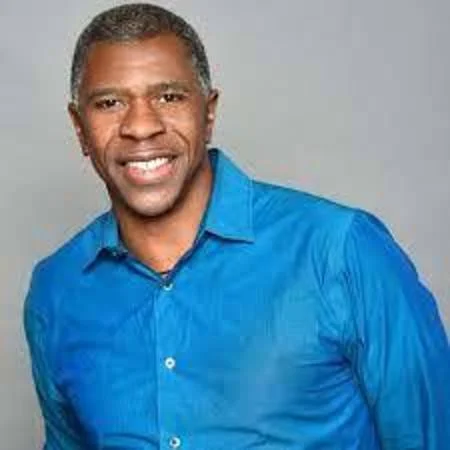
Keynote Speaker:
Dr. Shawn Ginwright
Leading in Times of Uncertainty
We were thrilled to welcome back Dr. Ginwright to our network to share new insights on how the Four Pivots can fuel and support you in leading during difficult times.
Dr. Shawn Ginwright is the Jerome T. Murphy Professor of Practice at Harvard Graduate School of Education. His groundbreaking work on trauma, healing, and the empowerment of African American youth has earned him a reputation as an innovator, provocateur, and thought leader in the field of education.
Dr. Ginwright's research has been instrumental in reshaping the discourse surrounding youth development. His concept of "healing-centered engagement" in 2018 has revolutionized the field. He is a seasoned non-profit leader, serving as the co-founder and chief executive officer of Flourish Agenda, Inc., a research lab dedicated to unlocking the power of healing and empowering youth of color, as well as their adult allies, to drive transformative change in their schools and communities.
Featured Speaker:
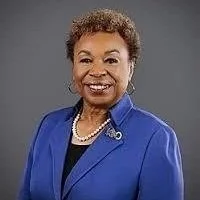
Oakland Mayor Barbara Lee
Barbara Lee was elected Mayor of Oakland in a historic Special Election this past April. Prior to her election, Mayor Lee served as a California State Assembly Member, California State Senator, and U.S. Congressional representative for over three decades. She is the first Black woman to be elected Mayor of Oakland. Mayor Lee has historically been a strong advocate for common sense gun reform, the expansion of home ownership opportunities, and effective solutions to homelessness.
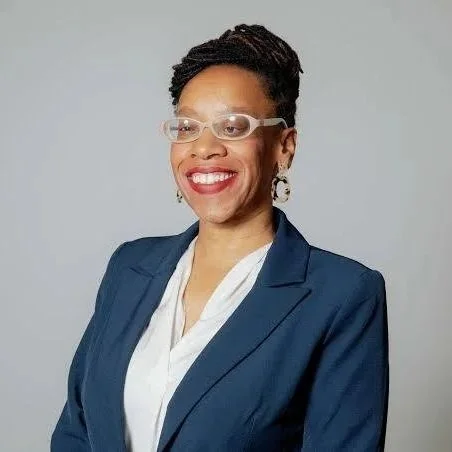
Featured Speaker:
Representative Lateefah Simon
Congresswoman Simon represents California’s 12th Congressional District. With over three decades of experience in organizing, advocacy, and philanthropy, Congresswoman Simon has deep roots as a Bay Area leader and activist. In Congress, Congresswoman Simon is focused on addressing the housing affordability crisis, tackling the mental health and homelessness epidemic, lowering everyday costs for working families, protecting women’s rights, standing up for immigrant communities, and more.
System-Specific Break Outs
In addition to our plenary conversations on cross-systems issues, we also built in time for work group conversations to go deep on system-specific challenges. Attendees joined the Youth Justice, Foster Care or Economic Well-Being Work Groups to break down critical issues and connect with and learn from local leaders working on the front lines of transformation.
We were also excited to have noted author Nell Bernstein join us, who also hosted a lunchtime discussion of the forthcoming book, In Our Future, We Are Free.
Agenda Overview:
Monday, October 13
Network Meeting and Dinner
Tuesday, October 14
Welcomes
Leslie Gross, Annie E. Casey Foundation, YTFG Co-Chair
Amanda Majail-Blanco, YTFG Fellow
Amy Price, Zellerbach Family Foundation, YTFG Steering Committee Member
KEYNOTE
Dr. Shawn Ginwright – Leading Through Chaos and Uncertainty
Remarks
Mayor Barbara Lee
Performance and Panel Conversation
Beats, Rhymes & Life
Wednesday, October 15
Crafting a New Vision to Support Youth Well-Being
During this plenary session, local leaders shared their next-generation vision for supporting youth well-being by lifting up innovative efforts throughout Oakland.
Ray Colmenar, President, Akonandi Foundation
Sandy Valenciano, Project Director, All Youth Are Sacred
Josh Lee, Director, Youth Power Fund
Jennifer Rodriguez, Executive Director, Youth Law Center
Youth Mental Health and Well-Being: Creating Healing Health Care Systems
Leaders in Oakland shared how they are transforming health care systems into healing spaces through a range of strategies that center lived experience and are rooted in cultural practices.
Moderator: Amanda Majail-Blanco, YTFG Fellow
Alex Briscoe, Principal, Public Works Alliance
Dr. Bernie Lim, Founder, Freedom Community Clinic
Community-Based Violence Prevention and Intervention
This closing session explored a variety of innovative approaches for community- based violence prevention and intervention.
Moderator: Jamie Shenker, Program Director, Violence Prevention and Healing Justice,California Wellness Foundation
Holly Joshi, Director of Oakland’s Department of Violence Prevention
Joe Griffin, Executive Director, Youth Alive
Celebration of Our Fellows
Check out our Fellows' accomplishments and connect with them on LinkedIn!

Immigration Enforcement, Deportations and the Impact on Systems-Involved Young People
Join YTFG on September 16th at 2:00 pm EST / 11 am PST for a policy action table conversation about the impact of deportations and ICE immigration enforcement activities on systems-involved young people, their families, and communities.
Across the country, the threat of deportations and other immigration enforcement activities are threatening the well-being of young people and their families. Increasingly, young adults are afraid to go to school for fear that a family member will be deported while they're away, hesitant to participate in services they are eligible for due to fear of being asked about immigration status, and reluctant to engage in community organizing due to ICE presence in their communities. At the same time, foundations are wondering what they can do to support communities during this frightening time.
Three speakers representing three of the systems of focus for YTFG – child welfare, education and youth justice – will share what they are doing to support young people during this time and their best ideas for how philanthropy can play a role.
Speakers:
Viridiana Carrizales - Co-Founder and CEO, ImmSchools
Frankie Guzman - Managing Director of Youth Justice and Equity, National Center for Youth Law
Kelly Albinak Kribs - Co-Director, Young Center's Technical Assistance Program
Applying Adolescent Development Science to Systems Transformation
Hear about the Youth Law Center’s Adolescent Development Project, which brings together researchers, young people and families to address the fundamental mismatch between foster care systems and the needs of adolescents.
The Adolescent Development Project is designed to build consensus about what young people need to advance well being and develop systems solutions that will more effectively meet their needs.
Project participants shared what they have learned so far about aligning the foster care system with the needs of adolescents, including:
A synthesis of research by some of the nation's leading adolescent development researchers, along with findings and recommendations for policy and practice. See the consensus statement recently published in Child and Family Services Review – Consensus Statement on Developmentally Appropriate Policy and Practice for Adolescents in Foster Care;
How lived experts compared the research findings to their own experiences to shape the final consensus that was developed;
Examples of how communities are testing the ideas that emerged from the consensus, and
The tools and training that have been developed to advocate for developmentally informed reforms across the country.
This virtual meeting featured Angela LoBue with the Conrad N. Hilton Foundation, and Jennifer Rodriguez with the Youth Law Center, researchers who played a key role in developing the consensus statement and now working in partnership with communities, and representatives of a community that is testing the application of the research.
Password: F^B$uu9x
Transforming the Housing Voucher Process for Young Adults
On July 24th we co-sponsored a virtual meeting to learn about Anthos Home, a non-profit organization in New York City that is transforming the process for securing permanent housing for families, including young adults leaving foster care. The Anthos Home model is based on building relationships with landlords, developing a bank of suitable apartments, and supporting voucher holders and landlords through the process. By proactively reserving and preparing housing units specifically for voucher holders, participants are guaranteed immediate access to suitable apartments. The model has significantly shortened the time to secure an apartment while also increasing housing retention.
Password: uD1LyN=A
This virtual meeting was co-sponsored by Funders Together to End Homelessness and Youth Transition Funders Group’s Foster Care Workgroup.
Youth Leaders on Economic Justice: Creating Pathways to Opportunity for All
Join GTY, YTFG and the National Collaborative for Transformative Youth Policy for an important conversation about developing a viable pathway to economic justice for young people.
Young people deserve economic and workforce development policies that enable them and their families to thrive. This session will feature young people and field leaders discussing how the current economic and workforce policies are impacting youth and share a vision for economic justice that would allow all young people to thrive.
This program is free and open to all. GTY’s webinars and funder learning opportunities are made possible through the time and expertise of presenters from the field.
In the spirit of transparency, GTY will make available the list of webinar participants to presenters upon request, unless the registrant requests to remain anonymous (please indicate your preference via the registration form).
Speakers
Dina Emam, Program Associate, Center for Economic Opportunity, The Annie E. Casey Foundation
Juan De Los Santos, New Deal for Youth Changemaker
Alex Dray, Director of Organizing, Young People’s Alliance
MaKaila Eddings, Founder, Griot Sisters
This webinar is sponsored by Grantmakers for Thriving Youth. Co-Sponsors include National Collaborative for Transformative Youth Policy and Youth Transition Funders Group.
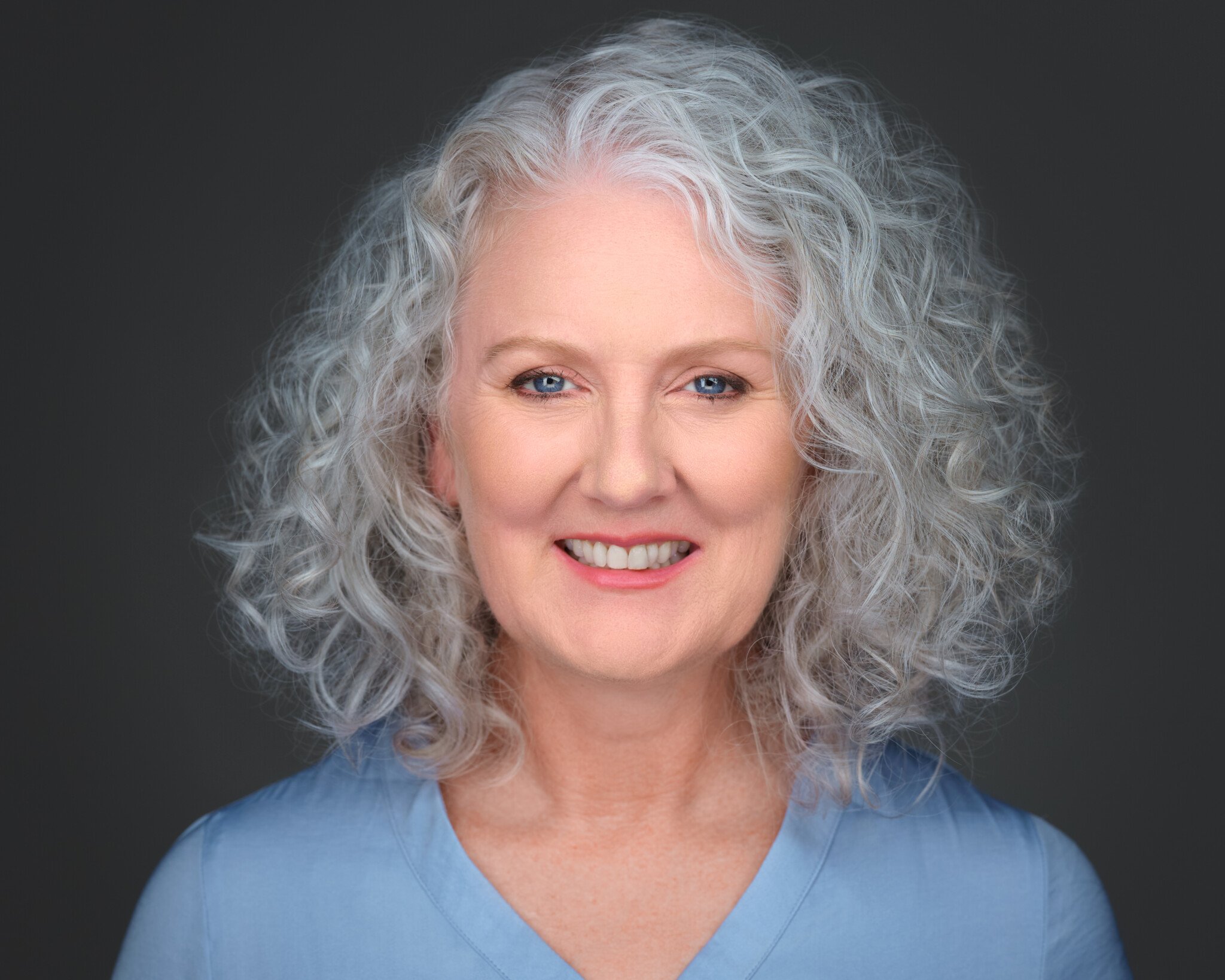
A Conversation with Celia Sims: Strategy & Messaging in the Current Political Environment
Join us for an intimate conversation with Celia Sims. Throughout her career, Celia has worked on an array of child and family policy issues and held several key advisor roles, including as the Senior policy adviser in the U.S. Senate to HELP Committee Chair, Richard Burr (R-N.C.) and before that in the U.S. Department of Education during the George W. Bush Administration. Today she serves as the founder and president of the Abecedarian Group, which provides national and state organizations with strategic advice for advancing their public policy agendas, including for K–12 education, higher education, workforce training, and child welfare and family policy.
What's Next For Budget Reconciliation and Medicaid
Join us for the latest on where the Congressional budget reconciliation process stands and in particular, the implications of potential cuts to Medicaid for older youth. We’ll be joined by several experts focused on populations of interest to YTFG.

Impacts of a Changing Federal Landscape on Students Experiencing Homelessness and Foster Care
In a critical briefing on education for youth facing homelessness and foster care, national experts Barbara Duffield (SchoolHouse Connection) and Kathleen McNaught (ABA Center for Children and the Law) discussed urgent federal challenges and the steps funders can take in these uncertain times.
In this conversation, Barbara and Kathy explained how federal actions and threats may impact educational support programs like McKinney-Vento, and which critical services for students experiencing homelessness and foster care are at stake. Students experiencing homelessness and foster care face interconnected and multi-faceted challenges, including school mobility and systemic barriers. The landscape of federal, state, and local laws impacting them is complex.
Here are actions you can take today:
Provide general operating support to organizations advocating for youth experiencing homelessness and foster care, especially those connected to state and local leaders, as well as youth and families.
Support advocacy, including litigation efforts, that seek to defend and protect educational rights, services, and supports.
Fund technical assistance and capacity-building for state and local-level education agencies and advocates.
Invest in organizing and mobilization efforts of local constituents to engage with elected officials, especially federal policymakers.
Support efforts to translate complex policy challenges into accessible, actionable information.
In addition to prioritizing the unique needs of individual student populations, prioritize funding that addresses issues of intersectionality.
Maintain or increase investments in federal and state-level policy work.
speakers includeD:
Barbara Duffield – Executive Director, SchoolHouse Connection
Kathleen McNaught – Associate Director, ABA Center on Children and the Law
This collaborative learning opportunity is co-sponsored by Grantmakers for Thriving Youth and Funders for the Education Success of Students Experiencing Homelessness, Child Welfare, and Juvenile Justice.

YTFG 2025 Spring Meeting - New Orleans

Partners in Change
Engaging Young People as Professionals in Efforts to Advance Well-Being in Equitable and Conscious Ways
YTFG’s Spring meeting was designed and led by our Fellows and delved into an array of strategies philanthropy can consider to engage young people as professionals in their investments. We were excited to lift up examples of amazing work underway in New Orleans through the following conversations:
Perspectives on Youth Engagement with two incredible local leaders – Antonio Travis and Ernest Johnson
Building City-Wide Infrastructure for Youth Engagement through the Children and Youth Planning Board
Youth-Centered Justice Movements: Advocacy in Times of Rollbacks
Community-Based Prevention and Family Support to prevent child welfare involvement
The Connection of Arts and Culture to Mental Health and Wellness
Investments to support the economic well-being of Opportunity Youth
We were also excited to offer dedicated, deep dive sessions for our Policy Action Table, our Direct Cash Transfers Action Table, and to launch a new learning series on Narrative Change (scroll down for details). Thanks for attending!
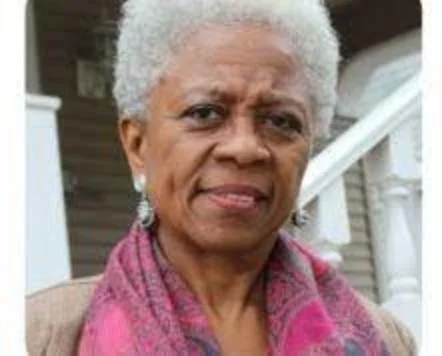
Keynote Speaker:
Dr. Kimberley Richards
We were thrilled to be joined by Dr. Kimberley Richards, longtime trainer, educator and organizer and now Executive Director of the People's Institute for Survival and Beyond (PISAB).
Dr. Richards' decades of principled, humanistic organizing spans from Pennsylvania to Mississippi and beyond. She has been a longtime partner of YTFG, first taking our Steering Committee and consulting team through PISAB's Undoing Racism training and then joining us for the 2020 Well-Being Summit to create an updated version of our well-being framework.
Dr. Richards is a graduate of Clark College, where she studied Education and Theater. She received a Master’s degree in education from Westminster College, PA. Richards completed a doctoral program of study in Education at the University of Pittsburgh as a Lilly Endowment Fellow in 1995.
Plenary Sessions
Day 1
Welcome
Tonyel Edwards, YTFG Co-Chair, Roy Williams, Greater New Orleans Foundation and State Senator Royce Duplessis
Centering Our Theme
Fellow Introductions
Youth Engagement and Equity
Opening Keynote: Dr. Kimberley Richards, Executive Director, People’s Institute for Survival and Beyond
Perspectives on Youth Engagement and Leadership
This conversation with Antonio Travis, creator of the "Let Kids Be Kids" initiative, and Ernest Johnson, longtime advocate for community empowerment, highlighted the shared responsibility between young people and adults in creating equitable spaces for well-being and work.
Reflections
Denise Graves, Congo Square Preservation Society
Wednesday, April 2
Youth-Centered Justice Movements: Advocacy in Times of Rollbacks
New Orleans has a robust set of justice organizations working to support and advance well-being and equity. Given the unique context of recent rollbacks of key justice reforms, this session will focus on how young professionals can sustain and adapt reforms in challenging times.
Gina Womack, Executive Director and Rio Valdez, Youth Leader, Family and Friends of Louisiana Incarcerated Children
Dominque Jones-Johnson, Founder and Executive Director, and Kash’shae Cooks, Youth Leader, Daughters Beyond Incarceration
Building City-Wide Infrastructure for Youth Engagement
The session focused on the innovative structure of the Children and Youth Planning Board and highlighted lessons learned from creating dedicated city-wide infrastructure to center youth voice
Morgan Shannon, Executive Director, New Orleans Children and Youth Planning Board (CYPB)
Serria Gaines, Senior Opportunity Youth Ambassador, CYPB
Lex Granger, Member, Community Youth Planning Board
Community-Based Prevention and Family Support
My Community Cares (MCC) emphasizes how empowering families prevents system involvement and promotes equity. Over the past two years, MCC has partnered with thousands of families to assess opportunities and challenges and co-design solutions with them to prevent children from entering or remaining in foster care.
Dr. Lauren Broussard, Associate Director, My Community Cares
Thomas McRae, Program Director for MCC at Boys Town
Mischa Martin, Casey Family Programs, Senior Director Strategic Consulting
The Role of Creative Expression in Advancing Equity, Building Community, and Navigating Difficult Times Together
YTFG Fellows worked alongside meeting participants in a container encouraging creative expression to explore how arts can be an integral part of our equity work and help us stay aligned with our values, even in times of crisis and chaos.
Reconnecting New Orleans' Opportunity Youth: A Storied Past, Present Challenges, and Pathways to Success
This session examined why young people in New Orleans become disconnected from education and employment pathways. Leaders from New Orleans' dynamic Opportunity Youth ecosystem will share innovative approaches to reengaging youth in learning and work in a city defined by challenge and resilience.
Claire Jecklin, Founding Executive Director, New Orleans Career Center
Michele Seymour, Director, Reengagement Center at the New Orleans Youth Alliance
Danielle Barringer-Payton, Opportunity Youth Coalition Director, Louisiana Opportunity Youth Alliance
Thursday, April 3
9:00 am - 12:00 pm
Launch of the Narrative Change Learning Series (scroll down for details)
Hotel Information
The meeting took place at the Eliza Jane Hotel located at 315 Magazine St, New Orleans, LA 70130. Once a printing house and bitters factory, The Eliza Jane is ideally located between the French Quarter, Central Business District, and Arts District. YTFG members can reserve a room for a group rate of $249 for arrivals starting March 31 and departures as last of April 4. Book your room with this link by February 28.
Narrative Change Learning Series
Based on widespread interest by our members, YTFG is excited to offer a new cohort learning experience that will explore narrative change strategies. YTFG is partnering with expert narrative change practitioners from the Pop Culture Collab to offer this deep dive into narrative change strategy, tailored for our members' unique role working in philanthropy.
YTFG and Pop Culture Collab are designing this learning experience using a cohort model that will take place over the course of six months, in order to offer a more intensive and impactful learning journey. Members who join the cohort will participate in three components, utilizing a mix of facilitated and self-directed learning:
April 3
initial in-person session
An introduction to narrative oceans, narrative systems, and systemic narrative harm
The opening session of the Learning Series introduced the cohort to components of narrative change strategy by focusing on systemic or coordinated narrative harm, examining how narrative systems can be used to dehumanize groups and justify harmful policies.
DATES TBD*
4-part series
Asynchronous learning modules and cohort discussion
Over the next four months, cohort members will engage with a serious of 4 asynchronous learning modules, covering the following topics: 1) narrative oceans and narrative systems, 2) case study on transforming public perception, 3) narrative infrastructure and how funders can invest in it, and 4) narrative impact evaluation.
Learning modules will include short videos, curated reading materials of varying depths, and study questions. A 10-part podcast will also be made available.
YTFG will host monthly virtual meet ups for the cohort to collectively discuss each module’s study questions, and the Pop Culture Collab will host office hours to help cohort members delve deeper into questions arising from the modules.
Date TBD*
Final in-person session at YTFG Fall Convening
We will discuss practical applications and next steps for YTFG as a network.
*Please note that all dates and times are still being confirmed. We are also working to finalize the budget for this learning series, so please know that members who join the cohort may be asked to make an additional contribution beyond their regular membership fees.
If you are interested in joining this learning cohort, please email Carrie Rae to express your interest along with any questions that you may have.
Child Welfare, Youth Homelessness and Abolitionist Values
Sponsored by Funders Together to End Homelessness (FTEH), and co-sponsored by YTFG and Funders for Justice, this webinar featured speakers from the UpEND movement, which YTFG had previously featured at our in-person and virtual meetings.
Learning Objectives:
Differentiate between reformist and abolitionist (or non-reformist) reforms
Articulate the difference between youth/family homelessness and the child welfare (aka family policing) system
Describe the key components of Funders Together's policy framework
speakers includeD:
Elisabeth Cutler, May & Stanley Smith Charitable Trust, YTFG member
Michael Durham, Funders Together the End Homelessness
This webinar was sponsored by Funders Together to End Homelessness. Co-Sponsors included Funders for Justice and Youth Transition Funders Group.
Special Session on Recent Federal Actions on Immigration and Their Impact on Children and Youth
On March 20 from 2-3pm YTFG will co-host with the Child Welfare Funders Collaborative a special session examining recent federal actions on immigration and their impact on children and youth.
We will be joined by Jeremy Kohomban, President and Chief Executive Officer of The Children's Village and Kelly Kribs, Co-Director of the Technical Assistance Program at the Young Center for Immigrant Children's Rights for this intimate conversation.
This session is being planned in response to member interest and is open only to YTFG and CWFC members.

Community-Centered Solutions to Support Well-Being - FINAL SESSION
This series is designed to build off previous series’ exploration of models and strategies to support community-centered and community-led solutions that support well-being and equity outcomes. This virtual learning series is for all YTFG members.
LEARNING SERIES DESIRED OUTCOMES:
To continue to learn from innovative community leaders what it means to build true community-designed and community-led solutions that support youth and family well-being.
To understand more concretely what community leaders and organizations need and want from system leaders (and funders) to advance and accelerate community-centered work.
To explore community-system partnerships and shared decision making tables that aim to set new norms for co-design, transparency and accountability.
To explore how systems can approach community relationships to gain trust, build capacity, and promote greater investment in upstream approaches
To identify additional learning opportunities for YTFG members.
For the final session of the learning series on Community Designed Initiatives, we are thrilled that several of the lead presenters from our previous sessions have agreed to re-join us to take stock of what we've learned throughout the series and go deeper on the role of philanthropy when investing in community designed initiatives. These presenters include:
Cheri Craft, M.Ed, Founder and CEO, Smart from the Start
Trey Hartt, Co-founder and Managing Director, The Hive
Jessica Nowlan, President, Reimagine Freedom
During our final session we will explore the questions that members posed in a survey we conducted last year. Questions we'll address include:
How can we grow and sustain community designed initiatives over the long term?
How can community led work be supported by public dollars for sustainability?
How can community led grantmaking initiatives be connected to systems change work?
What are the most powerful methods for evaluating community-designed initiatives?
How can we institutionalize community-led work without losing the special sauce?
Passcode: h4ymKyJ!
About the speaker:
Copy TK
Hidden in Plain Sight
Research on the Education of Students Experiencing Homelessness, Foster Care, and/or Incarceration
More than 1.6 million students in the US navigate K12 education while experiencing homelessness, foster care, and/or incarceration. What does research tell us about their education experiences and outcomes?
Join GTY and the Youth Transition Funders Group to explore findings from a newly released research scan commissioned by The Annie E. Casey Foundation. The scan analyzed 200+ publications and 27 clearinghouses, revealing gaps in the evidence base and blind spots in how we study and understand these students’ educational experiences. Join the study’s authors to discuss the findings and next steps, including the vital role of research partnerships and critical investment opportunities for philanthropy.
Speakers:
Ilene Berman – Evidence-Based Practice Group Director, The Annie E. Casey Foundation
Maddy Day – Founder, Maddy Day, LLC, and Associates
Stephanie Malia Krauss – Founder and Principal, First Quarter Strategies & Staff Consultant, YTFG

Key Priorities for the 2025 Political Transition
This meeting will be aimed at finalizing the key priorities to uplift in a transition memo, and planning for 2025 with the ever-evolving political landscape in mind.


Post-Election Analysis
During this meeting we will debrief the election, reflect back the policy discussion from Detroit and cross-cutting priorities emerging in the network, and invite feedback and additions. This is a “Part 2” discussion from Detroit, but suitable for other YTFG members who couldn’t join us for the discussion in Detroit.

Data Informed Recruitment for Teens
During this virtual Foster Care Workgroup Meeting we learned about an exciting new “Adverse Placement tool” that gives states and localities the data they need to make more informed and results driven foster parent recruitment plans, with a special focus on recruitment to meet the needs of teens.
Noah Duncan at the University of Chicago's Center for Radical Innovation for Social Change (RISC):
shared the rationale for developing an "Adverse Placement tool";
walked us through what the Adverse Placement analysis entails; and
provided examples of how states have used the tool to make significant changes in their recruitment process.
The adverse placement concept includes placements in which young people are not placed with kin AND also experiencing placement in group homes, sibling separations, and placements outside of a young person's community of origin. Results can help communities develop strategies to meet the needs of all children in foster care so they never have to experience one of these adverse placements. In addition to sharing the tool, Noah was interested in hearing ideas for making it as relevant as possible to the YTFG population of interest and feedback on ways to expand its use and application in the field.
PASSCODE: QHD35m^H

YTFG 2024 Fall Meeting - Detroit

Image by Paramraj Singh on Unsplash
INVESTMENT TO SUPPORT WELL-BEING AND EQUITY
YTFG’s Fall meeting delved into an array of investment strategies philanthropy can consider to support the well-being and equity of youth and young adults. We lifted up incredible examples of amazing work underway in Detroit, notably:
the successful efforts to develop robust workforce systems to support youth and young adults, including summer employment;
innovative policy and practice work to transform youth justice and child welfare systems, and
cross-systems efforts to support mental wellness.
In addition, we learned from leaders of the newly created Office of Research and Well Being at the Illinois Department of Children and Family Services, one of the first in the nation examples of a dedicated public agency that utilized YTFG's well-being framework in its design.
We had the opportunity to connect with colleagues through dedicated meetings of our Direct Cash Transfers and Policy Action Tables and in small group strategy discussions.
Angelique Power
Keynote Speaker
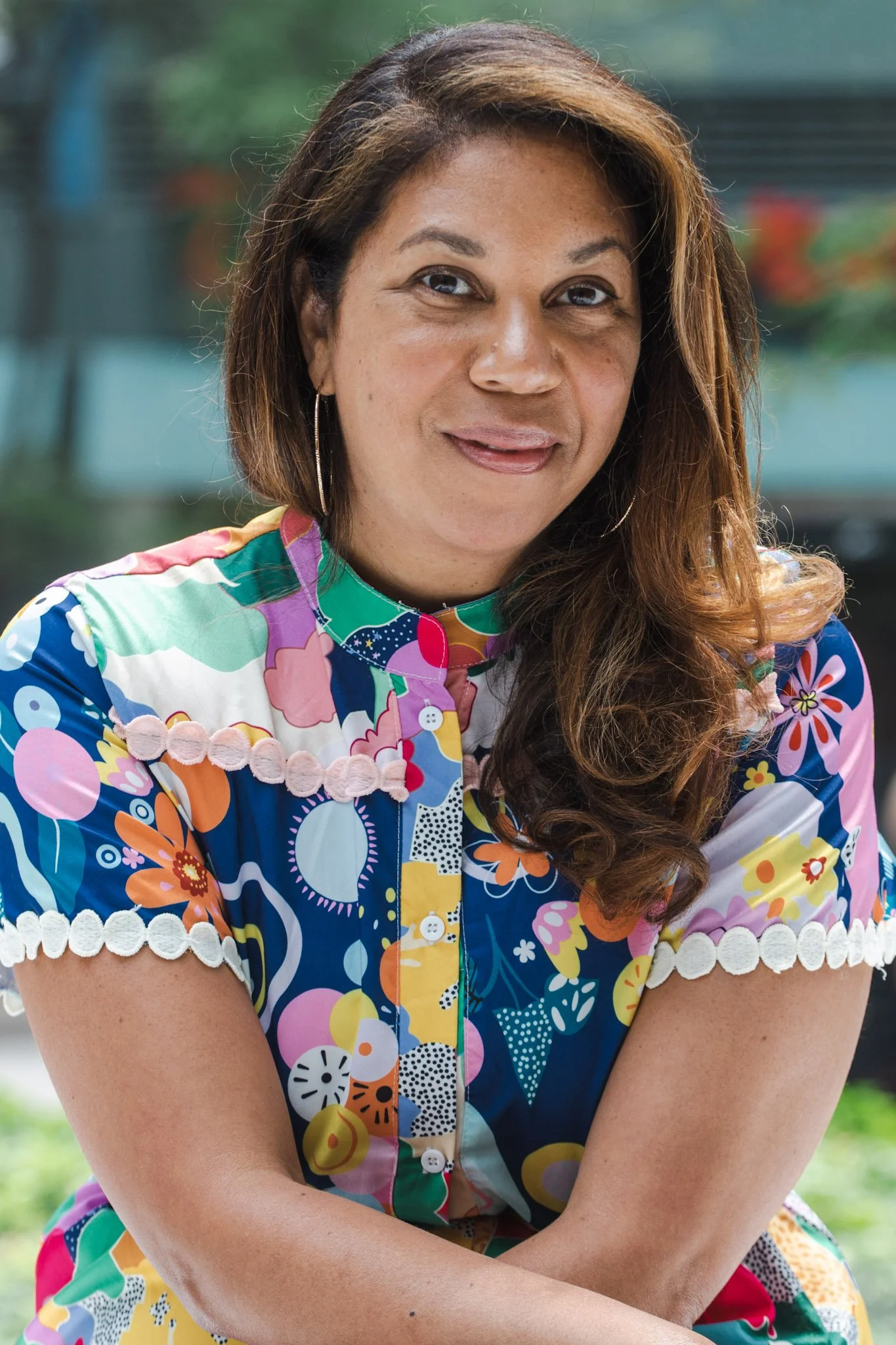
Angelique Power is the President & CEO of The Skillman Foundation, a Detroit-based foundation that partners with people to transform education systems, nurturing the brilliance of Detroit youth. With assets over $550 million, The Skillman Foundation provides approximately $19 million in grants annually.
Under Power’s tenure, The Skillman Foundation has led a community-rooted strategic planning process to rethink its grantmaking and metrics. She architected a racial equity audit allowing for transparency to community on all Foundation spending and elevated the role of the Youth Council to bring them to decision making tables within the Foundation and across Michigan.
Prior to The Skillman Foundation, Power was President of the Chicago-based Field Foundation and Program Director at the Joyce Foundation. She led communications and community engagement at the Museum of Contemporary Art Chicago and community relations efforts for Target Corporation.
Plenary Sessions
Monday, September 30
Welcome & Remembering Patrice
Detroit, Sankofa, and the Futurism of Youth Power
Keynote Address - Angelique Power, CEO, Skillman Foundation
Performances by We Are Culture Creators
Tuesday, October 1
Operationalizing the Well-Being Framework
The Office of Research and Well Being at the Illinois Department of Children and Family Services has elevated well-being as a cross-systems priority in the state, utilizing the YTFG framework. Hear from leaders about their planning work and current priorities to center well-being in agency efforts.
Moderator: Lyman Legters, Casey Family Programs
Dr. Verletta Saxon, DCFS Director of Research and Child Wellbeing
Heather Fox, Lead Researcher
Cassandra Williams, Task Force Member and Lived Expert
Systems Reforms to Support Equity and Well-Being
Panelists discussed the implications of two significant policy developments from a cross-systems perspective: the recent passage of comprehensive juvenile justice reform package and a local collaborative convened by the Kalamazoo Community Foundation to address gun violence.
Moderator: Michelle Weemhoff, Founder, Next Generation Justice Consulting
Jason Smith, Executive Director of Michigan Center for Youth Justice
Jennifer Heymoss, Blueprint for Peace Chief Facilitator, Michigan Transformation Collective
Lessons from the Fellow Philanthropy Project
Our Fellows shared lessons learned from the YTFG Fellow Philanthropy Project, including advice for our network members on grant making practices and strategies.
Moderator: Jennifer Miller, YTFG Lead Consultant for Child Welfare
Daniel Bisuano, YTFG Fellow
Lupita Carballo, YTFG Fellow
Fatima Juarez, YTFG Fellow
Vannesa Santos, YTFG Fellow
Creative Youth Development: A New Approach to Workforce Development
Creative Youth Development is a commitment to supporting young people’s stories, ideas, and dreams through creative expression and honoring their lived experience. This panel included two local organizations working in creative youth development: We Are Culture Creators and The Neutral Zone.
Moderator: Stephanie Krauss, YTFG Lead Consultant, Economic Well-Being
Michael Reyes, Co-Founder, We Are Culture Creators
Lori Roddy, Executive Director, The Neutral Zone
Supporting Mental Wellness for Youth and Young Adults
Mental wellness continues to be a critical need for youth and young adults. This session highlighted local efforts to support mental wellness within Detroit public schools and for young people who have been impacted by the justice system.
Moderator: David McGhee
Sharlonda Buckman, Assistant Superintendent of Family and Community Engagement, Detroit Public Schools
Danielle Atkinson, National Executive Director and Founder, Mothering Justice
Andrea M. Cole, President & CEO, Ethel & James Flinn Foundation
Washington State Reduced Youth Homelessness 40% and You Can, Too
Washington State reduced homelessness among unaccompanied youth and young adults by 40% after launching a concerted campaign to do so in 2016. While we will not rest on our laurels, we celebrate this life-saving success, especially in the context of the regression represented by the Supreme Court’s ruling on Johnson v. Grants Pass.
Join this discussion to hear the funder perspective on Yes to Yes, a lauded public-private partnership. After an overview of what the project accomplished, we will focus on how funders worked in collaboration and adapted to feedback in real time, highlighting the cross-system (education, criminal-legal, foster care, etc.) work that proved essential. The conversation will highlight transferable lessons that funders in other states can embrace, including strategies applicable across all age groups of people living with housing instability.
Learning Objectives
Describe three accomplishments of Yes to Yes in Washington State
Name an example of how Yes to Yes’ funders adapted their approach based on feedback from partners in real time
Understand how other states can replicate Washington’s success
You will receive a unique Zoom link once a Funders Together staff person has approved your registration.
Speakers
Sheila Babb Anderson (she/her), Campion Advocacy Fund, President, Housing & Homelessness
Paula Carvalho (she/her), Program Officer- Youth Homelessness, Raikes Foundation
Marie Groark (she/her), Managing Director, Schultz Family Foundation
This webinar is sponsored by Funders Together to End Homelessness. Co-Sponsors include Grantmakers for Education, Grantmakers for Thriving Youth, and Youth Transition Funders Group.

Direct Cash Transfers - Session 3
Join us for the third and final installment of our 2024 three-part series focused on Direct Cash Transfers.
Supporting basic needs through cash assistance is a rapidly-growing strategy to support overall well-being and to prevent systems-involvement. Our Direct Cash Transfers Series will provide interactive learning and action opportunities throughout the year to collectively explore direct cash transfers and other financial solutions for youth farthest from opportunity. This work will include background research and reporting by YTFG consultants, and learning from member grantees and other field leaders.
Hill Panel
Join the YTFG Policy Action Table for a discussion with key Congressional Staff about active and upcoming reauthorization bills relevant to the network. We will be hearing from those at the center of discussions and negotiations around the reauthorization of Title IV-B, the Workforce, Innovation and Opportunity Act (WIOA), and the Juvenile Justice and Delinquency Prevention Act (JJDPA). The desire for this deeper dive to learn more about upcoming opportunities at the federal level to improve policies that can directly support youth well-being and success was a direct result of our conversations at the Spring meeting in Seattle.
After the panel discussion and Q&A, we will have some time for members to process the conversation and discuss opportunities for network engagement.
Please contact Kathleen King or Rebecca Robuck with any questions.
Direct Cash Transfers - Session 2
Join us for the second installment of our 2024 three-part series focused on Direct Cash Transfers
Supporting basic needs through cash assistance is a rapidly-growing strategy to support overall well-being and to prevent systems-involvement. Our Direct Cash Transfers Series will provide interactive learning and action opportunities throughout the year to collectively explore direct cash transfers and other financial solutions for youth farthest from opportunity. This work will include background research and reporting by YTFG consultants, and learning from member grantees and other field leaders.

Belonging, Connection and Healing Through Kinship
Join us for a virtual conversation on the importance of kinship and chosen family connections for belonging and connection for young people. This meeting is open to all YTFG members and will focus on what's needed to ensure young people have extended family and other connections to prevent systems involvement, achieve better outcomes for young people in the foster care system, and provide another permanency pathway to meet the unique needs of youth 16 and older.
We'll hear about:
Young people who are in informal kinship placements, and the family and community supports needed to thrive.
How multiple national organizations have come together to support states to implement federally approved kinship specific licensing standards.
Recent passage of SOUL Family Permanency in Kansas and the promise of SOUL Family Permanency for older youth across the country.
What foundations can do to further support kinship connections for young people.
Speakers:
Jaia Lent, Generations United
Jamarl Clark, Generations United
Patty Chin, Annie E. Casey Foundation
If you have questions for our speakers about kinship related issues that you'd like us to cover, please send them in advance to Jennifer Miller.